
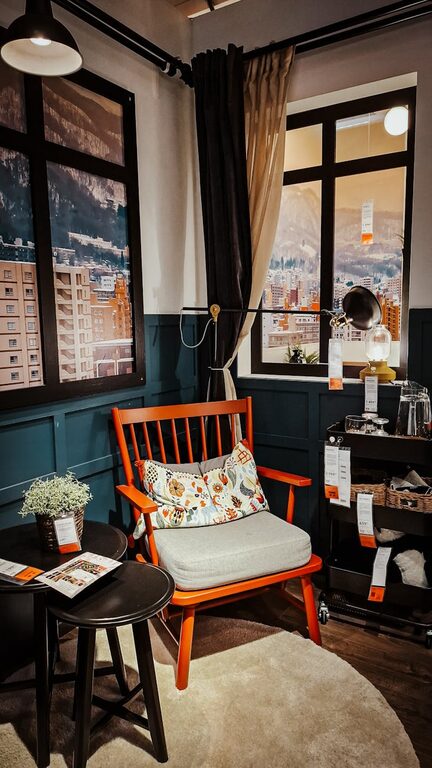
Creating a relaxing home environment is more important than ever, especially as many of us spend more time at home than before. A peaceful and organised living space not only supports mental well-being but can also significantly improve your focus and productivity. Whether you work from home or simply want to unwind more effectively, a few thoughtful changes can transform your surroundings into a sanctuary of calm.
In this post, we’ll explore practical tips that help you design a home environment that promotes relaxation and productivity without needing a major renovation.
Why a Relaxing Home Environment Matters
Your home should be a place where you feel comfortable and rejuvenated. Stressful or cluttered surroundings can affect how you think, work, and even sleep. By fostering an environment that reduces tension and encourages focus, you support both your emotional health and daily performance.
A well-designed space can:
– Lower stress levels
– Enhance concentration
– Encourage better sleep
– Promote mindfulness and calm
Start with Decluttering and Organising
One of the simplest yet most effective steps is to declutter your space. Clutter can be a visual distraction that increases stress and reduces mental clarity.
Tips for decluttering:
– Sort items into categories: keep, donate, recycle, or discard.
– Keep frequently used items within easy reach.
– Store less-used possessions in labelled boxes or cupboards.
– Schedule regular tidying sessions to maintain order.
Organised spaces feel calming and help your brain focus on what’s important. Using storage solutions like baskets, shelves, and drawer organisers can further simplify your environment.
Choose Soothing Colours and Lighting
The colours and lighting in your home have a profound impact on your mood.
Colour choices:
– Soft neutrals like beige, soft grey, or pale blue can create a tranquil atmosphere.
– Shades of green are known to be calming and refreshing.
– Avoid overly bright or harsh colours in work or relaxation spaces.
Lighting suggestions:
– Maximise natural light during the day.
– Use warm, soft lighting in the evening to prepare your body for rest.
– Consider adjustable lamps or dimmers to create the right ambience.
– Avoid harsh overhead lighting in spaces intended for relaxation.
Incorporate Nature Indoors
Bringing elements of nature into your home can enhance calmness and improve air quality.
– Add houseplants such as peace lilies, snake plants, or succulents.
– Use natural materials like wood, cotton, or wool in furnishings.
– Place fresh flowers or natural scents like lavender or eucalyptus.
– Position seating near windows to enjoy outdoor views.
Being close to nature has been linked to reduced anxiety and improved mood, making this a valuable addition to any home.
Create Dedicated Zones for Work and Relaxation
Especially when working from home, it’s crucial to separate work areas from rest areas.
Work zone tips:
– Choose a quiet spot with good lighting.
– Keep your desk tidy and free from distractions.
– Use ergonomic furniture to support posture.
– Avoid working in bed or on the sofa to maintain a clear mental boundary.
Relaxation zone tips:
– Set up a comfy corner with cushions, a favourite blanket, or a reading nook.
– Use calming decor and avoid electronics in this area.
– Consider adding a small fountain or a diffuser for a peaceful sound or scent.
Having distinct areas helps your brain switch between focus and rest, improving overall productivity and relaxation.
Incorporate Mindfulness and Comfort Practices
Small habits and accessories can promote relaxation and well-being in your space.
– Use candles, essential oils, or incense to create a peaceful atmosphere.
– Practice daily mindfulness or meditation in your relaxation zone.
– Maintain comfortable room temperatures—neither too hot nor too cold.
– Play soft background music or ambient sounds like nature or white noise.
These elements encourage you to slow down, breathe deeply, and reset your mind.
Maintain Good Air Quality and Freshness
Air quality plays a subtle but important role in comfort and alertness.
– Open windows regularly to circulate fresh air.
– Use air-purifying plants or air purifiers if needed.
– Avoid strong chemicals or synthetic fragrances that can irritate.
– Keep rooms clean and dust-free.
Fresher air supports better breathing and improves overall health, contributing to a more relaxing environment.
Personalise Your Space
Your home should reflect your personality and preferences, as this creates a sense of belonging and happiness.
– Display photos, artwork, or souvenirs that bring positive memories.
– Choose décor that uplifts your mood.
– Avoid overcrowding spaces with too many objects.
– Regularly reassess your space and update it to fit your current needs.
Personal touches make your environment feel warm, welcoming, and inspiring.
—
By following these practical tips, you can create a relaxing home environment that supports your mental well-being and enhances your productivity. Remember, small changes — like introducing plants or decluttering — can make a big difference. Take time to design your living space with intention and care, and you’ll enjoy a happier, more balanced home life.