Creating a home workspace that balances productivity with relaxation is essential, especially as more people continue to work from home. Your environment can greatly influence how well you focus and how comfortable you feel throughout the day. Whether you have a dedicated room or a small corner, these tips will help you design a workspace that supports your best work and keeps stress at bay.
Choose the Right Location
The first step in setting up a home workspace is finding the perfect spot. Ideally, pick a quiet area with minimal distractions.
– Natural light: Position your desk near a window to take advantage of natural light, which can improve mood and reduce eye strain.
– Away from noise: Avoid areas near the television or busy parts of the house.
– Space: Ensure there is enough space for your equipment and for you to move comfortably.
If space is limited, consider a foldable desk or create a workstation on a dining table that can be cleared away after work hours.
Prioritise Ergonomics
Comfort is key to maintaining productivity and avoiding physical discomfort.
– Chair: Invest in an ergonomic chair with good lumbar support. Your feet should rest flat on the floor, and your knees should be at a 90-degree angle.
– Desk height: Your desk should allow your arms to rest comfortably with elbows at around 90 degrees.
– Screen position: Keep your computer screen at eye level to prevent neck and shoulder strain.
– Accessories: Use a keyboard and mouse that reduce wrist strain. Wrist rests or ergonomic mats can be beneficial.
Adjust your setup regularly to avoid stiffness or discomfort from prolonged periods in the same position.
Declutter and Organise
A tidy workspace helps reduce distraction and stress.
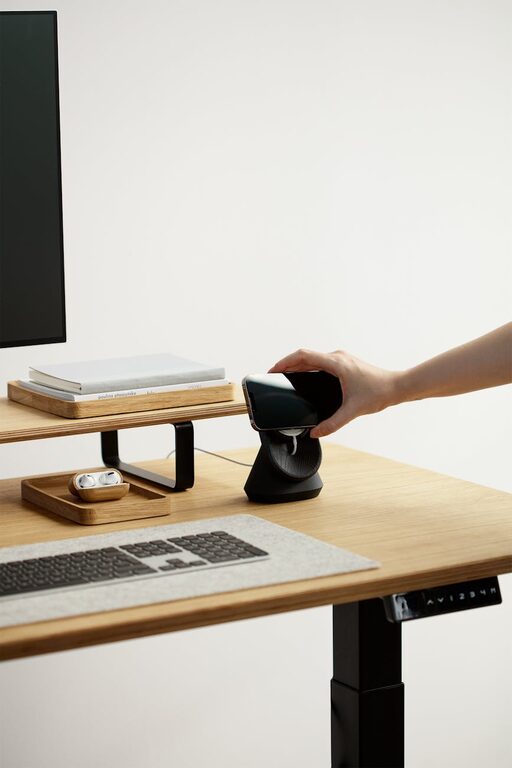
– Minimalism: Keep only essential items on your desk.
– Storage: Use shelves, drawers, or filing boxes to store papers and supplies out of sight.
– Cable management: Use clips or ties to keep cables neat and prevent a tangled mess.
– Daily tidying: Spend a few minutes each day clearing your desk to start the next day fresh.
Organisation can also include digital decluttering by organising files and emails to create a clear working mind.
Incorporate Calming Elements
Including relaxing features in your workspace can reduce stress and help maintain focus.
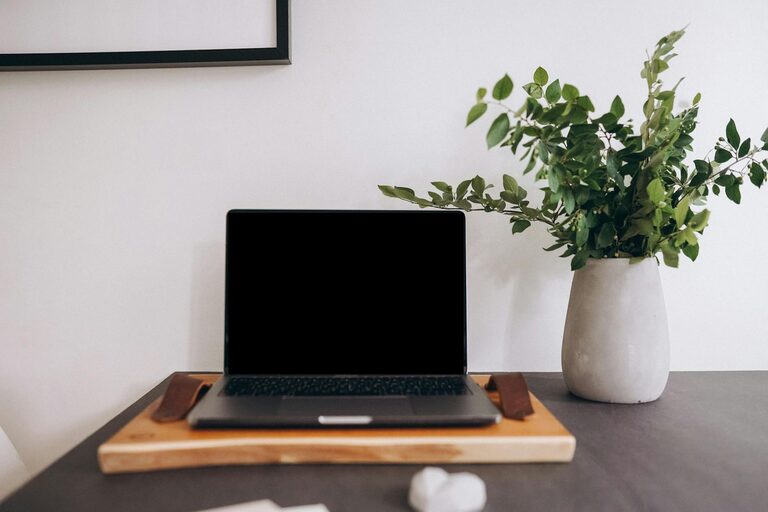
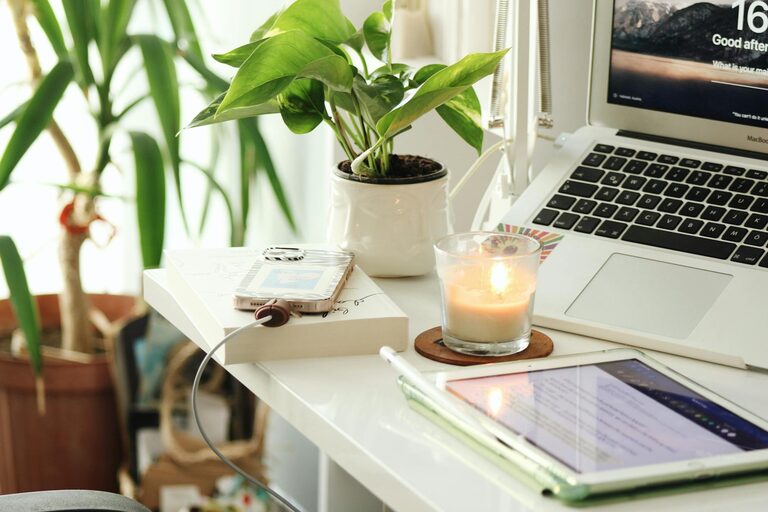
– Plants: Adding greenery improves air quality and adds a calming visual element.
– Colour: Use calming colours such as soft blues, greens, or neutrals in your décor.
– Personal touches: Add a photo, artwork, or object that makes you smile, but avoid overcrowding.
– Lighting: Besides natural light, use a desk lamp with adjustable brightness and warm tones to avoid harsh lighting.
Consider using a diffuser with essential oils like lavender or peppermint for a soothing atmosphere, but ensure it’s not overpowering.
Establish a Routine
Your environment works best when paired with good habits.
– Set working hours: Define when your workday starts and ends to create boundaries.
– Break times: Incorporate regular short breaks to stretch and rest your eyes.
– Task list: Keep a daily or weekly task list to stay organised and motivated.
– Minimise distractions: Turn off unnecessary notifications on devices or use apps that block distracting sites during work hours.
A routine helps your brain associate your workspace with productivity and creates a smoother transition between work and home life.
Utilise Technology Wisely
Technology is essential but should enhance, not hinder, productivity.
– Reliable internet: Ensure your internet connection is stable and fast for virtual meetings and research.
– Headphones: Noise-cancelling headphones can help you focus, especially in busy households.
– Software: Use productivity tools like calendars, note-taking apps, or time trackers to stay organised.
– Backup: Maintain regular backups of important files to avoid data loss.
Keep your devices charged and within easy reach, but avoid cluttering your desk with too much equipment.
Focus on Personal Wellbeing
Your health directly affects how productive and relaxed you feel.
– Hydration: Keep a water bottle at your desk and drink regularly.
– Movement: Stand up and move around every hour to promote circulation.
– Posture: Pay attention to your posture to avoid aches.
– Air quality: Open a window or use an air purifier to keep fresh air flowing.
Taking care of yourself physically and mentally supports a balanced workday.
Final Thoughts
Creating a relaxing and productive home workspace doesn’t require a complete makeover. Small, thoughtful changes can make a big difference in how effectively you work and how relaxed you feel. Focus on comfort, organisation, and a calm atmosphere, combined with good habits and the right technology. Over time, your workspace will become a sanctuary that inspires you to do your best work each day.
By following these tips, you’ll enjoy better focus, less stress, and a healthier work-life balance right from the comfort of your home.