
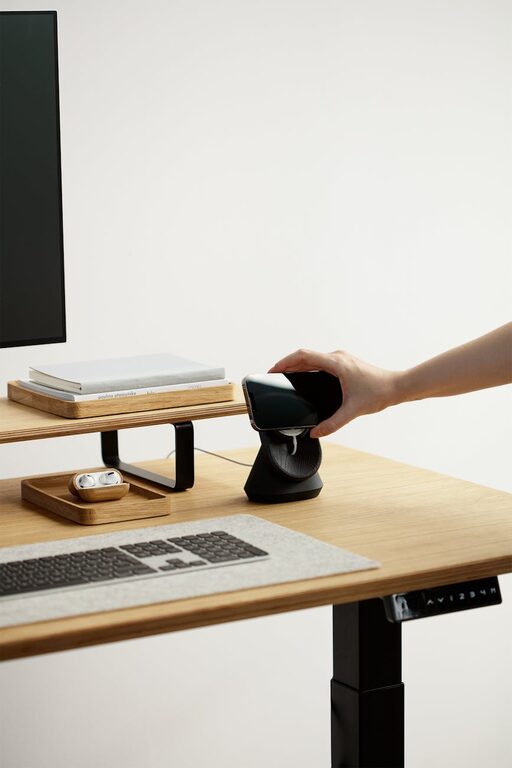
Creating a cosy and functional home office is more important than ever as many of us spend a significant part of our day working from home. A well-designed workspace can help boost productivity, reduce stress, and make your working hours more enjoyable. Whether you have a dedicated room or just a small corner to work with, these tips will guide you in creating a home office that meets your needs and feels inviting.
Choose the Right Location
The first step is selecting the best spot for your home office. Ideally, find a quiet area with minimal distractions and good natural light. If you can’t dedicate a whole room, use a corner or a nook that can be customised for your work habits. Consider these points:
– Near a window to benefit from natural light and fresh air.
– Away from high-traffic areas in your home to reduce interruptions.
– Close to power outlets for easy access to charging devices.
Invest in Comfortable and Supportive Furniture
Comfort is key when working for extended periods. An ergonomically designed chair and desk can help prevent aches and pains:
– Choose an adjustable chair that supports your lower back.
– Ensure your desk is at the right height to keep your arms at a 90-degree angle when typing.
– Consider a standing desk or adjustable desk converter if you want to alternate between sitting and standing.
Adding a footrest or even a supportive cushion can make your sitting position even more pleasant.
Maximise Lighting for Productivity and Ambience
Good lighting reduces eye strain and enhances mood. Combine natural light with layered artificial lighting:
– Position your desk near a window for daylight.
– Use a desk lamp with adjustable brightness and colour temperature.
– Consider ambient lighting, like wall sconces or floor lamps, to create a warm, cosy atmosphere.
Avoid harsh overhead lights or glare on your screen by adjusting the angle of your light sources.
Declutter and Organise Your Space
A tidy workspace helps focus and saves time searching for items:
– Use shelves, drawers, and filing cabinets to store paperwork and supplies.
– Utilise desk organisers for pens, notebooks, and other stationery.
– Keep cables under control with clips or cable management boxes.
Try to maintain a minimalist approach by only keeping essentials on your desk, and routinely declutter to keep the area inviting.
Incorporate Personal Touches
Adding elements that reflect your personality can make your office feel more comfortable and inspiring:
– Display photos, artwork, or inspirational quotes.
– Add plants to bring life and improve air quality.
– Choose colours and décor that make you feel calm and motivated, such as soft blues or warm neutrals.
However, avoid overdecorating to prevent distractions.
Ensure Proper Technology Setup
A functional home office depends on reliable technology:
– Invest in a good-quality monitor, keyboard, and mouse for comfort and efficiency.
– Use a stable internet connection, possibly with a wired ethernet cable for consistency.
– Consider noise-cancelling headphones if you work in a noisy household.
Configure your devices and software for seamless workflows, including backup solutions.
Manage Noise and Distractions
Noise can disrupt your concentration. Strategies to reduce distractions include:
– Use rugs, curtains, or cushions to absorb sound.
– Install a door or room divider if possible.
– Set clear boundaries with family or housemates during work hours.
Listening to white noise or calming music through headphones might also help maintain focus.
Maintain Good Air Quality and Temperature
A fresh, comfortable environment contributes to wellbeing and productivity:
– Keep a window open when possible to allow ventilation.
– Use a fan or heater to maintain a comfortable temperature.
– Add air-purifying plants like spider plants or snake plants.
Avoid working too close to sources of strong smells or dust.
Plan Breaks and Movement
Even the best office setup benefits from regular breaks:
– Use a timer or app to remind you to stand and stretch every hour.
– Designate a separate area for relaxation or quick walks.
– Incorporate simple exercises or stretches to reduce fatigue.
Taking breaks helps refresh your mind and body, improving overall work quality.
—
Designing your home office with a balance of comfort, organisation, and functionality can turn it into a place where you look forward to spending your workday. Start with small changes and adjust your space over time to suit your habits and needs. A cosy and efficient home office is within your reach with careful planning and attention to detail.