
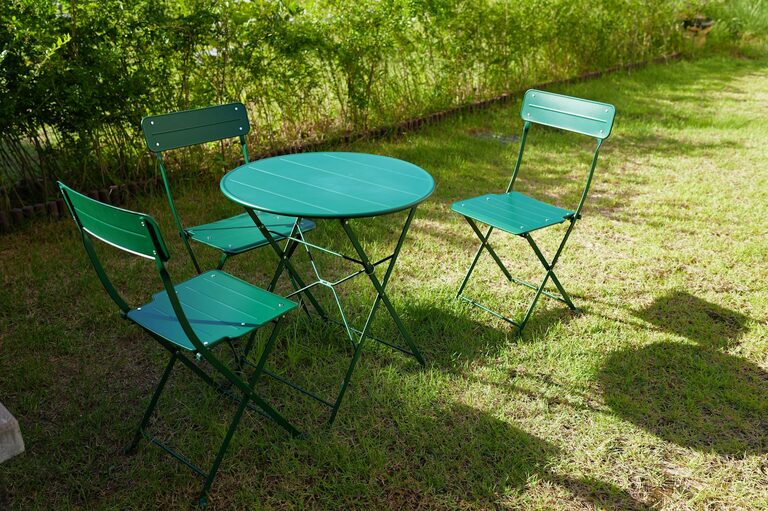
Creating a relaxing garden space at home can offer a welcome escape from the everyday hustle and bustle. A well-designed outdoor area provides not only a beautiful setting but also an environment that helps you unwind and recharge. Whether you have a small balcony or a large backyard, there are plenty of ways to cultivate a peaceful garden retreat. In this post, we will explore practical tips to help you create a calming garden space that feels like your own personal sanctuary.
1. Plan Your Space Thoughtfully
Before planting or buying furniture, take some time to consider how you want to use your garden space. Ask yourself:
– Do you want a quiet area for reading or meditation?
– Would you like space for socialising with friends and family?
– Are you interested in growing flowers, herbs, or vegetables?
Answering these questions will guide you in selecting suitable plants, seating options, and other elements that suit your lifestyle and preferences.
Consider the Layout
Create distinct zones if your garden has enough space. For instance, a seating area for relaxation might be separated from a small vegetable patch or flower bed. Using pathways, low hedges, or different types of ground cover can define these spaces without making the garden feel cluttered.
2. Choose Soothing Colours and Plants
Colours have a strong impact on mood. For a relaxing garden, aim for a palette that promotes calmness.
– Soft greens, blues, and lavender shades are known to ease the mind.
– White and pastel flowers add brightness without overwhelming.
– Avoid overly bright or clashing colours that might feel too energising.
Select Plants with Care
Opt for plants that are easy to care for, and consider sensory elements:
– Fragrance: Lavender, jasmine, rosemary, and gardenias can fill your garden with calming scents.
– Texture: Mix soft foliage like lamb’s ear with the sheen of hosta leaves or the fine fronds of ferns.
– Wildlife-friendly: Including plants that attract birds, bees, and butterflies adds gentle movement and life to the space, enhancing relaxation.
3. Invest in Comfortable Seating
The right seating is essential for spending long, relaxed periods outdoors.
– Consider ergonomically designed chairs or loungers with cushions.
– A hammock or swing seat adds a soothing, gentle motion.
– Ensure seating is placed in shaded and sheltered areas if possible, to protect from sun and wind.
Adding a small table nearby can support drinks, books, or other accessories, making it easier to settle in comfortably.
4. Create Privacy and Shelter
A garden is more relaxing when you feel secure and undisturbed.
– Use hedges, trellises with climbing plants or fences to block views from neighbours.
– Plant trees or install pergolas for shade and shelter from wind and rain.
– Outdoor curtains or screens can make a seating space feel more enclosed and intimate.
Privacy doesn’t have to mean isolation; letting gentle sounds from water features or wind chimes filter through can maintain a connection to nature without distractions.
5. Add Water Features for Serenity
The sound of running water is naturally calming, helping to drown out noise pollution and create a peaceful atmosphere.
– Small fountains, bubbling bowls, or birdbaths are great for even limited spaces.
– Ponds stocked with fish or water plants can be a focal point and attract wildlife.
– Ensure water features are positioned safely and maintained regularly to avoid stagnant water or pests.
6. Use Lighting to Extend Enjoyment into Evenings
Soft, warm lighting can transform your garden into a relaxing retreat after sunset.
– Solar-powered lanterns or fairy lights are energy-efficient options.
– Spotlights can highlight special plants or water features.
– Candles in glass holders or lanterns add a gentle flicker ideal for quiet nights outdoors.
Be mindful to avoid harsh, bright lights that disrupt the tranquil mood.
7. Incorporate Natural Materials and Simple Decor
Materials like wood, stone, and bamboo blend beautifully with garden settings and feel more organic.
– Wooden benches, stone paths, and bamboo screens integrate well with plants.
– Choose simple, minimalistic garden decor to avoid visual clutter.
– Natural fibre cushions and rugs can add softness and warmth to seating areas.
The goal is to create harmony between nature and your design choices.
8. Maintain Your Garden Regularly but Simply
A relaxing garden should not be a source of stress, so choose plants and features that match the time you can realistically spend maintaining them.
– Prune regularly to keep plants healthy and tidy.
– Remove weeds and fallen leaves promptly.
– Consider low-maintenance ground covers to reduce mowing or weeding.
If you find gardening therapeutic, allocate short periods regularly rather than long, infrequent sessions.
Final Thoughts
Designing a relaxing garden space at home is a rewarding project that can enhance your wellbeing and provide a beautiful outdoor haven. By planning carefully, choosing calming colours and plants, investing in comfort and privacy, and maintaining your garden with ease, you can create a sanctuary that invites peace and rest. Even small changes, like adding a water feature or soft lighting, can make your garden feel more inviting and calm.
Start with one or two of these tips and build your tranquil outdoor space over time. Soon, you might find your garden becoming your favourite place to relax and reconnect with nature.